Infosecurity Magazine Features
US Federal Privacy Legislation: Challenges on the Hill
Danny Bradbury investigates the spider-web of state and agency laws that attempt to tackle data privacy in the US

Top 10: Fines Issued for Data Protection Violations
What are the 10 biggest fines issued by regulators for data protection violations?

Ask The Experts: How to Reassure Your Customers About Your Security and Privacy Frameworks
Three security experts advise how to smoothly embark your customers on a secure path

Securing a Galaxy Far, Far Away: Cybersecurity’s Final Frontier
James Coker examines what it will take to secure the space arena now and into the future

Business Email Compromise Is Dead, Long Live Cyber-Enabled Financial Fraud
With a surge in global financial losses due to BEC, this social engineering attack can no longer be exclusively treated as a simple financial incident. Kevin Poireault investigates why security teams need to battle financial fraud

Joining the Dots: How to Optimize Cyber Threat Intelligence for the Win
Phil Muncaster investigates what can be done to consolidate and deliver the information network defenders need

Shifting Mindset: Tackling Mental Health Head On
Beth Maundrill investigates the problems and how mental health is intrinsically linked to the cybersecurity skills shortage

Point/Counterpoint: Are We Moving to a Passwordless Future?
Two cybersecurity experts debate whether we are moving towards a passwordless future

In-Flight Cyber-Attacks
Find out how realistic the threat to planes in the air is and what security measures airlines should be putting in place to secure live aircraft

Carrot or Stick: is NIS2 the Way Forward?
Alex Meehan asks whether the EU's updated NIS Directive is sufficient for the modern threat environment
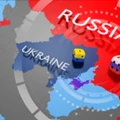
Point/Counterpoint: Should Organizations Adapt Their Cybersecurity Posture in Light of the Russia-Ukraine Conflict?
Two experts assess what companies need to change in their security approach in light of the Ukraine war

Cybersecurity’s Age Old Question
James Coker explores an under-discussed area of diversity in context of information security – age

Hacking the CFAA
Will the DoJ's decision to no longer prosecute "good faith" hackers protect security researchers?

Cybersecurity's New Quantum Shift: When Cryptographers Team Up Against Tomorrow's Qubits
Infosecurity Magazine investigates the recent world-first commercial trial of a quantum secured metro network and what this means for cybersecurity

Is Cyber Insurance Exacerbating the Ransomware Crisis?
Ed Ventham argues insurers are helping protect organizations while Alan Jenkins believes the industry is currently worsening the ransomware crisis

Situation Critical: Assessing the US’ New Incident Reporting Legislation
Danny Bradbury questions whether the Cyber Incident Reporting for Critical Infrastructure Act has the substance needed to succeed

The Future of Cybersecurity Certifications Crossroad
Security practitioners are increasingly conflicted about the role that certifications play in their career development. Phil Muncaster finds out why

The SOC of the Future
Benjamin David investigates the different ways security experts can future-proof their security operation center

Top 10: Deepfakes
Infosecurity has compiled a list of the top 10 most recent high-profile examples of deepfakes to date, listed in date order.
Russia-Ukraine War: The Cyber Dimension
James Coker investigates the cyber-dimension in the Russia-Ukraine war and the implications for the global cyber landscape