Infosecurity News
NBC hack serves Citadel malware to visitors
NBC has become the latest high-profile target for a cyber-attack, with its website, NBC.com, becoming compromised by the Citadel financial malware kit long enough to start serving malware to visitors before being corrected.
Latest (ISC)2 Workforce Study Shows Lack of Skilled Infosec Professionals and Developers
The problem is that not enough skilled people actually get into the profession; and all too often security is deemed to be separate from software development. These are the key findings of the sixth and latest study among the existing global security workforce conducted by (ISC)2, Booz Allen Hamilton and Frost and Sullivan.
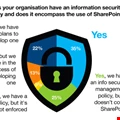
A hacker's dream: two-thirds of SharePoint users have no security policy
Even though Microsoft SharePoint is widely deployed throughout enterprises and SMBs as a collaboration platform, a shocking two-thirds of SharePoint-using companies in a recent survey have admitted to having ‘no active security policy’ in place for the application.
New e-shop hawks stolen PayPal accounts
Hacked PayPal credentials are up for sale in the cybercriminal underworld, arranged in a fast and convenient “e-shop” format.
The car of the future will be recording everything you do
A very public row between the New York Times motor correspondent John Broder and Tesla Motors is entertaining motor enthusiasts and worrying privacy advocates. The NYT delivered a negative review, but Tesla had logged every part of the test drive.
Educause hit with server-side data breach
Educause, a non-profit community for IT professionals focused on the higher education vertical, is warning that a data breach has affected its 1,800 college and 300 corporate members.
Security firm accuses Chinese military of involvement in worldwide hacking
Mandiant, a security firm with a close relationship with both US and UK governments (one of the five companies in GCHQ’s new Cyber Incident Response scheme) has made the clearest statement yet: the Chinese military is behind the hacking team known as APT1 (aka ‘Comment Crew’).
French data privacy regulator plans to take on Google
France’s National Commission for Computing and Civil Liberties (CNIL) has warned Google that its response to earlier demands over its privacy policy are inadequate, and that an action plan against Google would be discussed by the Article 29 Working Party of EU national regulators on February 26.
We can’t block YouTube, Egypt’s telecomms authority tells the court
On February 9, Egypt’s Judge Hassouna Tawfiq ordered that YouTube be temporarily banned in Egypt for 30 days following Google’s refusal to remove the Innocence of Muslims video from YouTube.
What will the future of enterprise security look like?
With the year 2020 approaching, join our panel of experts who will examine what near-term advances in information technology may hold, and how enterprises can get ahead of the security curve in anticipation
Facebook is the latest media company to admit it was hacked
On Friday Facebook admitted to being just another hacked media company, joining the New York Times, Washington Post, Wall Street Journal and Twitter in admitting a recent breach – although Facebook claims that no user data was lost.
ZeroAccess is top bot in home networks
When it comes to buggy home LANs in the US, the rate of home network infections actually decreased from 13% to 11% in the fourth quarter of 2012 – translating to about one in 10 households. But out of that, 6% exhibited high-level threats, such as bots, rootkits and banking trojans, while moderate-level threats included spyware, browser hijackers and adware.
The zombie apocalypse is more than just a prank – it’s a wake-up call
On Monday a few TV stations in Michigan, California, Montana and New Mexico broadcast a warning “the bodies of the dead are rising from their graves and attacking the living.”
Jeremy Hammond's legal team seeks judge's recusal
Hacker Jeremy Hammond is accused of being part of the Stratfor breach. Presiding judge Loretta Preska’s husband, Thomas Kavaler, appears on a list of Stratfor ‘victims’. Hammond’s legal team says this creates an appearance of partiality, and has demanded that Preska be recused.

Healthcare data breaches wane in 2012
Healthcare breaches were among the most high-profile of data leakage incidents last year, but a new study in the US found that the damage is actually lessening year-over-year.
Security is not my responsibility
At least, it is the security team’s responsibility while I am at work, although it is my responsibility while I am at home – concludes a new survey into attitudes toward phishing.
Reveton ransomware gang busted by Europol
The new European Cybercrime Centre (EC3) at Europol, working with the Spanish police and Interpol, has made its first major bust: the Reveton ransomware gang.
Research shows “dramatic growth” in global cyber attacks
Data from Websense Labs has identified a dramatic increase in cyber attacks during 2012, led by an astounding 600% increase in malicious web links detected by the company’s ThreatSeeker monitoring network.
Infosecurity Magazine Launches Information Security Hub on The Guardian website
Information security is rapidly moving up the board agenda, particularly in light of proposed EU legislation that would compel companies to report cyber breaches. Neelie Kroes, Digital agenda commissioner has said that Europe needs to improve how it deals with cyber security. The concern for businesses is the impact that reporting breaches might have on their corporate reputation and the bottom line.
Former Symantec CEO joins FireEye board
Enrique T. Salem, former Symantec president and CEO, has joined the FireEye board of directors, the company announced today