Infosecurity News
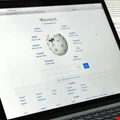
Wikimedia Says Rogue AI Agents Abused its Platforms
Wikimedia says OpenAI agents performed unauthorized actions on its platforms, including edits to wikis
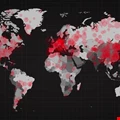
Q3 2026 Sets New Record for Ransomware Attacks
Comparitech observed 2627 claimed ransomware attacks in Q3, with critical sectors like finance, technology, education and healthcare experiencing significant increases

UK and Allies Warn of Cyber Threat from China’s Integrity Technology Group
The UK, US and allies have issued an alert detailing malicious activity linked to China’s Integrity Technology Group

AI Training Critical as Governance Challenges Grow
As AI adoption accelerates, ISACA is expanding its certification portfolio with a governance-focused credential designed to help professionals manage AI securely

Major AI Firms Pledge Data Protection Changes Following UK Privacy Watchdog Push
Ten leading AI firms have committed to make data protection improvements following a call for evidence by the UK’s Information Commissioner's Office

Attackers Hijack Three ccTLDs to Obtain Google Certificates
Attackers compromised .gh, .sl and .as registries to obtain unauthorized HTTPS certificates

ASOS Confirms Data Breach Linked to Stolen Employee Credentials
The ASOS hack comes from the compromise of agentic marketing platform Simon AI, said the attackers

Russia-Aligned UAC-0099 Evolves MATCHBOIL Malware
Russia-aligned UAC-0099 has steadily upgraded its MATCHBOIL downloader since 2024

Chinese Hacker Deployed AI in Campaign Against South Korean Banks
CrowdStrike revealed that a Chinese-speaking hacker deployed agentic pentesting tool ARTEX and Claude to help breach data from South Korean financial firms
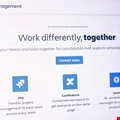
Critical Flaw in Multiple Atlassian Products Exploited in the Wild
A critical vulnerability affecting eight Atlassian products, including Jira and Confluence, is being exploited in the wild, said VulnCheck

Europol and US Spending Watchdog Sound the Alarm Over Quantum Threats
Europol and US Government Accountability Office urge faster transition to post-quantum cryptography

FBI and Secret Service Warn of FortiBleed Lockout Threat
The FBI and Secret Service are warning Fortigate admins that their systems are still being targeted

OT Coalition Urges CISA to Mandate Federal OT Security
OTCC urged CISA to mandate baseline security requirements for federal operational technology

Attackers Hide AI Prompt Injections Inside Phishing Emails
Barracuda finds phishing emails designed to manipulate both human users and AI assistants

Telegram Account Behind ASOS Rogue Notification Tied to Gaming Trading
A Group-IB researcher has found the Telegram account linked to the unauthorized ASOS customer notification previously engaged in gaming-item trading

Half of Cybersecurity Pros Still Rely on Passwords Despite Security Concerns
A Yubico survey identified a significant gap between awareness and adoption of secure methods of authentication in enterprises

Pwn2Own Hackers Find 32 Zero-Day Vulnerabilities on Day One
Ethical hackers have already found 32 zero days in various products at Pwn2Own Ireland

Danish CPR Breach Highlights Challenge of Supply Chain Risk
A breach of 8.8 million citizens on the Danish Central Register of Persons (CPR) occurred via third-party access
ClickFix Attack Hides VBScript Payload in Browser Cache
ClickFix sites stage a VBScript payload in the browser cache to bypass the Run dialog's length limit

Nikkei Discloses Two Employee Cloud Account Compromises
Nikkei says two employee cloud accounts were accessed, with one used to send 9,000 phishing emails