
International law enforcement agency Interpol has coordinated a first-of-its-kind cybercrime crackdown across the Middle East and North Africa (MENA) that led to 201 arrests.
The effort, dubbed Operation Ramz, ran from October 2025 to February 2026 across 13 countries in the MENA region.
The operation focused on neutralizing phishing and malware threats, as well as tackling cyber scams that inflict severe costs to the region.
As well as the 201 individuals arrested, Interpol and its allies identified additional 382 suspects and 3867 victims. The operation also led to the seizure of 53 servers used in cybercriminal activities.
A further set of almost 8000 pieces of data and intelligence was also disseminated among participating countries to initiate and support future investigations.
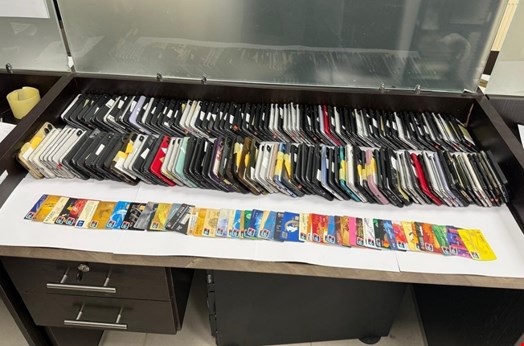
On-Site Operations in Qatar, Jordan, Oman, Algeria and Morocco
During Operation Ramz, intelligence in Qatar uncovered compromised devices that were being used by unsuspecting victims to spread threats, leading to immediate security measures and notifications to device owners.
In Jordan, police forces exposed a financial fraud scam tied to human trafficking, rescuing 15 victims who had been forced into cybercrime after having their passports confiscated.
Omani authorities also disabled a vulnerable server in a private residence that contained sensitive data, preventing further harm.
In Algeria, authorities dismantled a phishing-as-a-service operation, seizing equipment and arresting one suspect.
Moroccan authorities, meanwhile, seized devices containing banking data and phishing tools, initiating judicial proceedings against three individuals while others remain under investigation.
Public-Private Partnership
Operation Ramz involved authorities from Algeria, Bahrain, Egypt, Iraq, Jordan, Lebanon, Libya, Morocco, Oman, Palestine, Qatar, Tunisia and the United Arab Emirates.
The initiative received support from the Qatar Ministry of Interior and was partially funded by the EU and the Council of Europe under the CyberSouth+ project.
Additionally, Interpol and the participating agencies worked with several private sector partners, including Group-IB, Kaspersky, the Shadowserver Foundation, Team Cymru and TrendAI to track illegal cyber activities and identify malicious servers.
Joe Sander, CEO of Team Cymru, said his company is “proud” to have supported Interpol and the 13 countries that participated in Operation Ramz “with the visibility needed to turn data into action.”
“We will continue investing in the partnerships that protect victims and hold offenders to account,” he added.