Infosecurity News

Ransomware Gangs Increasingly Turn to Threats of Physical Violence to Extort Payments
New report warns that threats of violence against employees of organizations hit by ransomware are on the rise as attackers find new ways to guarantee payments

China Espionage Actor Actively Targeting Critical BeyondTrust Flaw, Google Warns
The suspected PRC-aligned group Armory Castle has been observed exploiting the newly disclosed flaw for long-term persistence

Cyber Incident at BAE Systems Disrupts US Federal Bankruptcy Noticing
Several services of the US Bankruptcy Noticing Center are unavailable due to a cyber incident affecting defense contractor BAE Systems

France: Internet-Exposed Danfoss Controllers Drop 71% After Cyber-Attack
France-based operators of Danfoss refrigeration controllers have sharply reduced their internet exposure after the October 11 cyber-attack

New Aoki Infostealer Targets AI Coding Assistant Credentials
Symantec warned that Aoki can steal API keys and tokens from a number of popular AI coding assistants, including Claude and Gemini

Warning Over High-Risk Vulnerabilities in Widely Used LLM Gateway Tool
CVE-2026-35029 and CVE-2026-59823 affect LiteLLM, which is commonly used by enterprises to connect their AI applications to providers like OpenAI and Anthropic
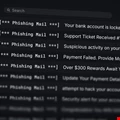
Microsoft Disrupts Global Yam Store Network Behind One Billion Phishing Messages
Microsoft and partners reveal a major Chinese-language phishing network centered around the Yam Store marketplace

ICO Reprimands Met Over Third-Party Data Leak
The ICO has handed the Metropolitan Police a reprimand and enforcement notice after privacy failings linked to the Auror platform

ROMULUS Malware Server Leverages ClickFix to Deliver Multiple Payloads
Researchers at Forescout said the discovery shows how ClickFix is evolving from a delivery technique into full-blown cyber-criminal infrastructure

Passkey Authentications Double but Adoption Remains Slow
Dashlane data finds that passkey adoption is growing but not quickly enough

French Supermarket Cyber-Attack Impacts More Refrigeration Controllers
At least two French supermarkets using temperature regulation devices from Dixell Electronics also experienced food stock disruptions

Microsoft Breaks Patch Tuesday Record Again with 1400+ CVEs
Microsoft issued its largest ever round of security updates in the October Patch Tuesday

Billion-Dollar Companies Twice as Likely to Leave Critical Vulnerabilities Unpatched
New Chainguard research reveals larger companies struggle to patch vulnerabilities due to business priorities and operational disruption

European Retail Firms Confirm Cyber Incidents
Several Europe-based retail firms have confirmed experiencing cyber incidents, while H&M said it is “investigating” such claims

Defenders Reluctant to Deploy Agentic AI as a Cybersecurity Tool
Flashpoint research suggests that only 25% of security teams have actively deployed AI, with many concerned about AI Agents’ negative impact

UK Government Announces Sweeping New AI Security Plans
The government is planning tweaks to legislation, new incident response and more to head of AI security threats

Fifth of CISOs Take Time Off to Avoid Patch Tuesday
Socura report claims CISOs are calling in sick or taking holiday to miss Patch Tuesday

Luna Moth Leaks Shed Light on Ransomware Group's Inner Workings
Leaked documents suggest a multi-pronged operation, with social engineering and more technical attackers working together to manipulate a single target

Major French Supermarket Chains Hit by Cyber-Attack, Food Stock Impacted
The CEO of Cooperative U confirmed a cyber-attack affected the food stock in several stores from October 11

Net Closes Around ShinyHunters with Another FBI Arrest
The FBI has arrested a Canadian cybersecurity executive as it continues its crackdown on ShinyHunters