Infosecurity News

European Retail Firms Confirm Cyber Incidents
Several Europe-based retail firms have confirmed experiencing cyber incidents, while H&M said it is “investigating” such claims

Defenders Reluctant to Deploy Agentic AI as a Cybersecurity Tool
Flashpoint research suggests that only 25% of security teams have actively deployed AI, with many concerned about AI Agents’ negative impact

UK Government Announces Sweeping New AI Security Plans
The government is planning tweaks to legislation, new incident response and more to head of AI security threats

Fifth of CISOs Take Time Off to Avoid Patch Tuesday
Socura report claims CISOs are calling in sick or taking holiday to miss Patch Tuesday

Luna Moth Leaks Shed Light on Ransomware Group's Inner Workings
Leaked documents suggest a multi-pronged operation, with social engineering and more technical attackers working together to manipulate a single target

Major French Supermarket Chains Hit by Cyber-Attack, Food Stock Impacted
The CEO of Cooperative U confirmed a cyber-attack affected the food stock in several stores from October 11

Net Closes Around ShinyHunters with Another FBI Arrest
The FBI has arrested a Canadian cybersecurity executive as it continues its crackdown on ShinyHunters

Months-Old Palo Alto VPN Vulnerability Remains a Target for Ransomware Groups
ReliaQuest confirmed that the Qilin and Settra ransomware groups are actively exploiting a Palo Alto vulnerability patched in May

Karaoke Giant Reveals Data Breach Impacting Eight Million
Daiichi Kosho says a supply chain breach has exposed personal data on over eight million karaoke customers
Wikimedia Says Rogue AI Agents Abused its Platforms
Wikimedia says OpenAI agents performed unauthorized actions on its platforms, including edits to wikis
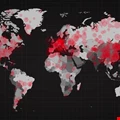
Q3 2026 Sets New Record for Ransomware Attacks
Comparitech observed 2627 claimed ransomware attacks in Q3, with critical sectors like finance, technology, education and healthcare experiencing significant increases
UK and Allies Warn of Cyber Threat from China’s Integrity Technology Group
The UK, US and allies have issued an alert detailing malicious activity linked to China’s Integrity Technology Group

AI Training Critical as Governance Challenges Grow
As AI adoption accelerates, ISACA is expanding its certification portfolio with a governance-focused credential designed to help professionals manage AI securely
Major AI Firms Pledge Data Protection Changes Following UK Privacy Watchdog Push
Ten leading AI firms have committed to make data protection improvements following a call for evidence by the UK’s Information Commissioner's Office

Attackers Hijack Three ccTLDs to Obtain Google Certificates
Attackers compromised .gh, .sl and .as registries to obtain unauthorized HTTPS certificates

ASOS Confirms Data Breach Linked to Stolen Employee Credentials
The ASOS hack comes from the compromise of agentic marketing platform Simon AI, said the attackers

Russia-Aligned UAC-0099 Evolves MATCHBOIL Malware
Russia-aligned UAC-0099 has steadily upgraded its MATCHBOIL downloader since 2024

Chinese Hacker Deployed AI in Campaign Against South Korean Banks
CrowdStrike revealed that a Chinese-speaking hacker deployed agentic pentesting tool ARTEX and Claude to help breach data from South Korean financial firms
Critical Flaw in Multiple Atlassian Products Exploited in the Wild
A critical vulnerability affecting eight Atlassian products, including Jira and Confluence, is being exploited in the wild, said VulnCheck

Europol and US Spending Watchdog Sound the Alarm Over Quantum Threats
Europol and US Government Accountability Office urge faster transition to post-quantum cryptography